
Protecting Workers, Strengthening Communities
For generations, labor unions have played a critical role in improving working conditions, securing fair wages, and protecting employee rights across the United States. While workplaces continue to evolve, the importance of union representation remains stronger than ever.
Unions provide employees with a collective voice, ensuring that workplace concerns are heard and addressed. Through collective bargaining, workers can negotiate for better wages, improved benefits, safer working environments, and fair treatment on the job.
One of the greatest advantages of union membership is protection. Union representatives advocate for workers during disputes, disciplinary actions, and workplace grievances. This support helps ensure that employees receive fair and equitable treatment under labor agreements and employment laws.
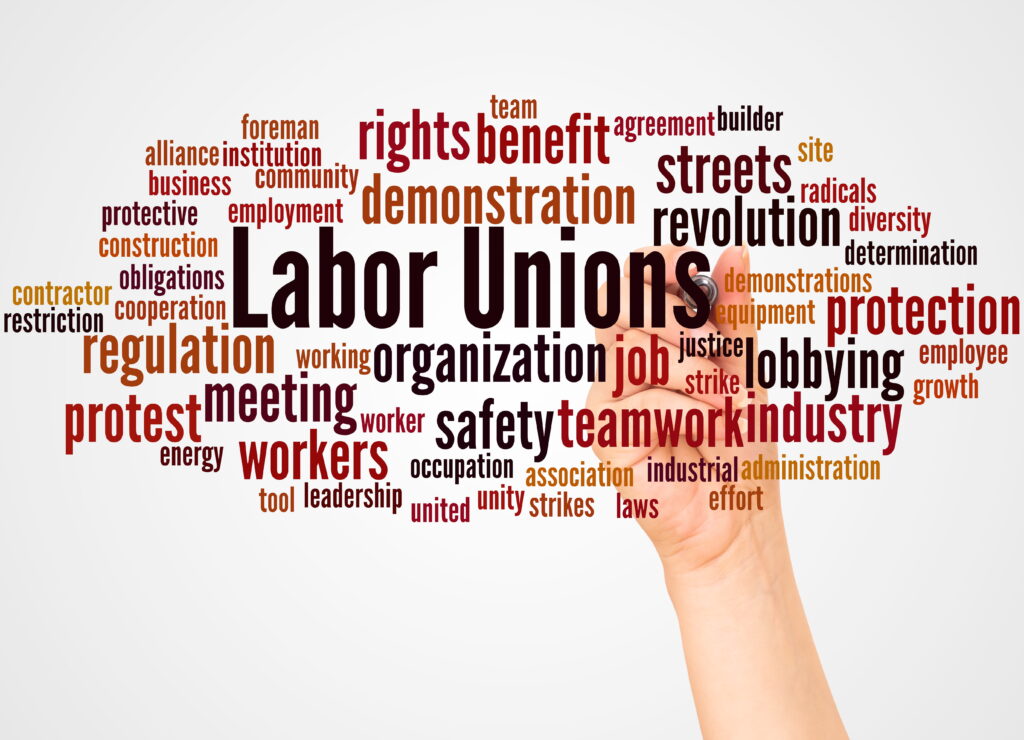
In addition to workplace advocacy, unions contribute to stronger communities. Higher wages and improved benefits help families achieve financial stability, support local businesses, and strengthen regional economies.
As the workforce faces new challenges such as technological changes, workforce shortages, and economic uncertainty, labor unions continue to provide the support, representation, and resources workers need to succeed.
Key Benefits of Union Membership:
- Collective bargaining power
- Workplace protection and advocacy
- Better wages and benefits
- Health and safety support
- Professional development opportunities
- Stronger employee representation
Last modified: June 19, 2026